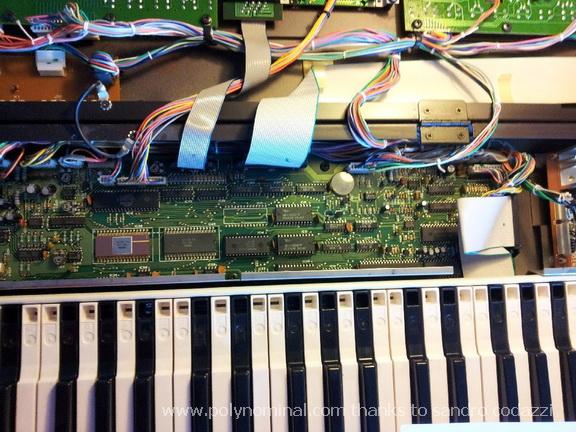
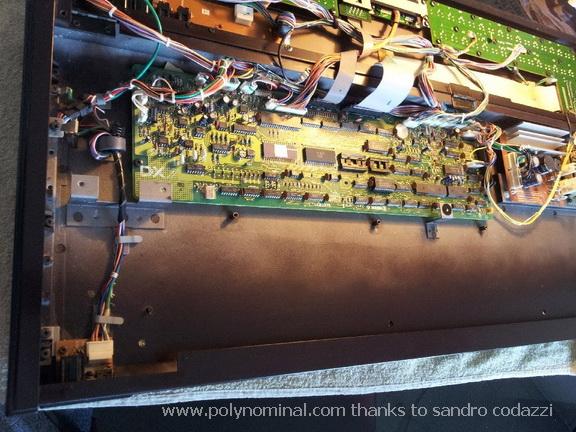
VOICES synthesizer 16 voices polyphony based on FM synthesis - the DAC BA9221 works at 12 bits. IC YM21280 generates 6 syncable sinewave oscillators or operator each with individual volume settings and pitch detune (EG is generated by IC YM 21290)
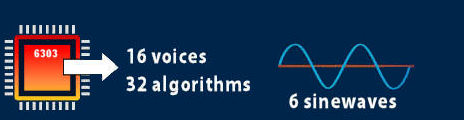

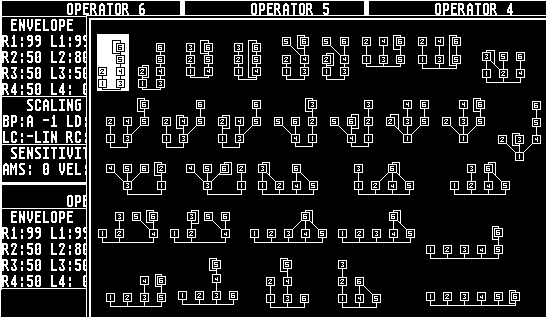
 SYNTHESIS 6 sinewave operators organized as algorithms, assigned as carrier
or modulator, linked between them on different
pathways interacting on their harmonic contents depending on the
variable feedback strength.
SYNTHESIS 6 sinewave operators organized as algorithms, assigned as carrier
or modulator, linked between them on different
pathways interacting on their harmonic contents depending on the
variable feedback strength.
- carrier; defines the amplitude and the spectral frequency
- modulator: sets the sound timbre and the relative harmonic contents.
DX7 features 32 algorithms combinations with frequency ratio or fixed frequency: the output is fed back to its input with 7 different levels feedback, as general rule, high values feedback results in richer harmonic contents.

 LFO up to 2 modulators (shapes: sine, triangle, saw up/down, square and sample & hold) with adjustable start delay and sync retrigger:
- PMD modulates pitch
- AMD processes the amplitude.

 ENVELOPE the IC YM2819 generates 7 EGs:
- 1 EG pitch: 4-segments structure + 4 time levels.
-
1 EG for each operators: 4-segments structure + 4 time levels
The Scaling Level is a very precise key follower with 4 linear / exponential curves
 MEMORY:
-
32 RAM patches.
Internal RAM is
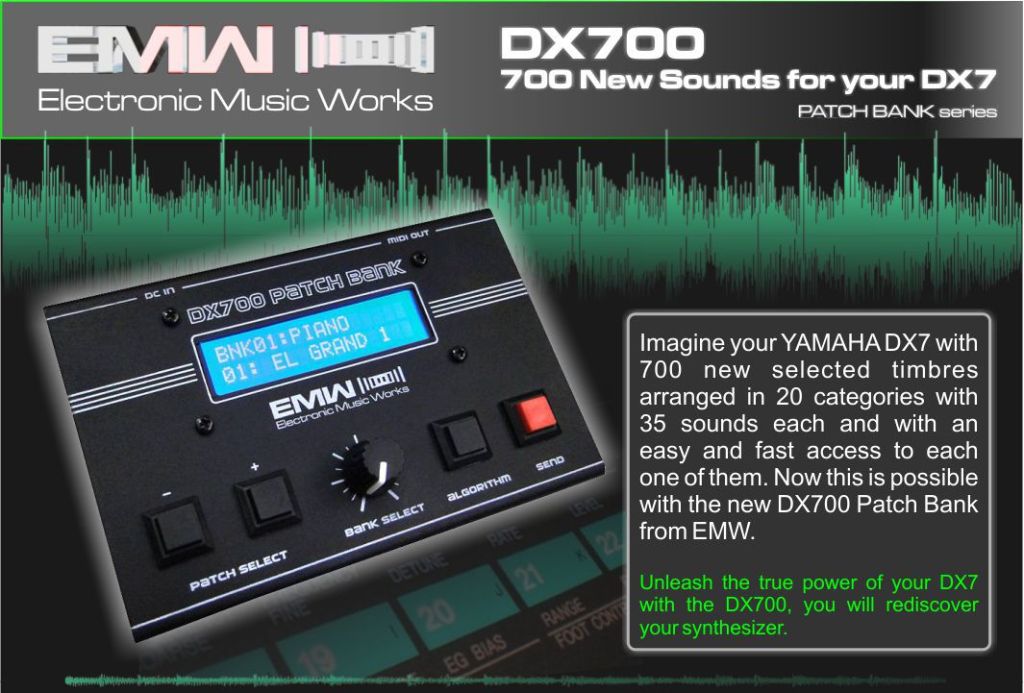
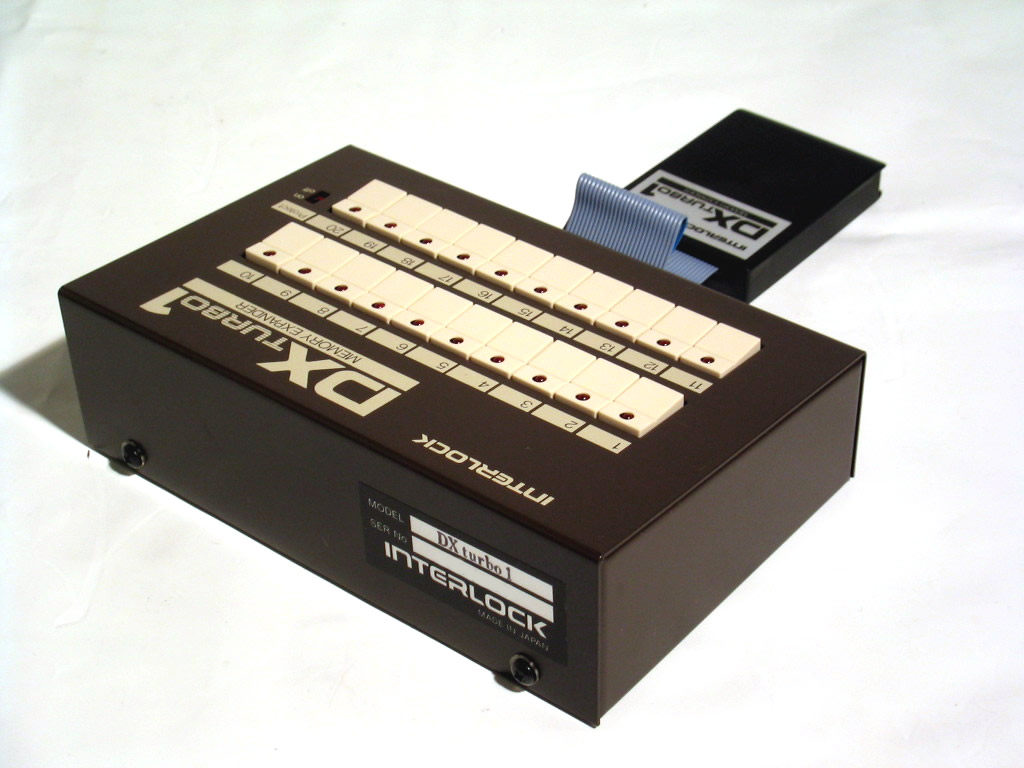
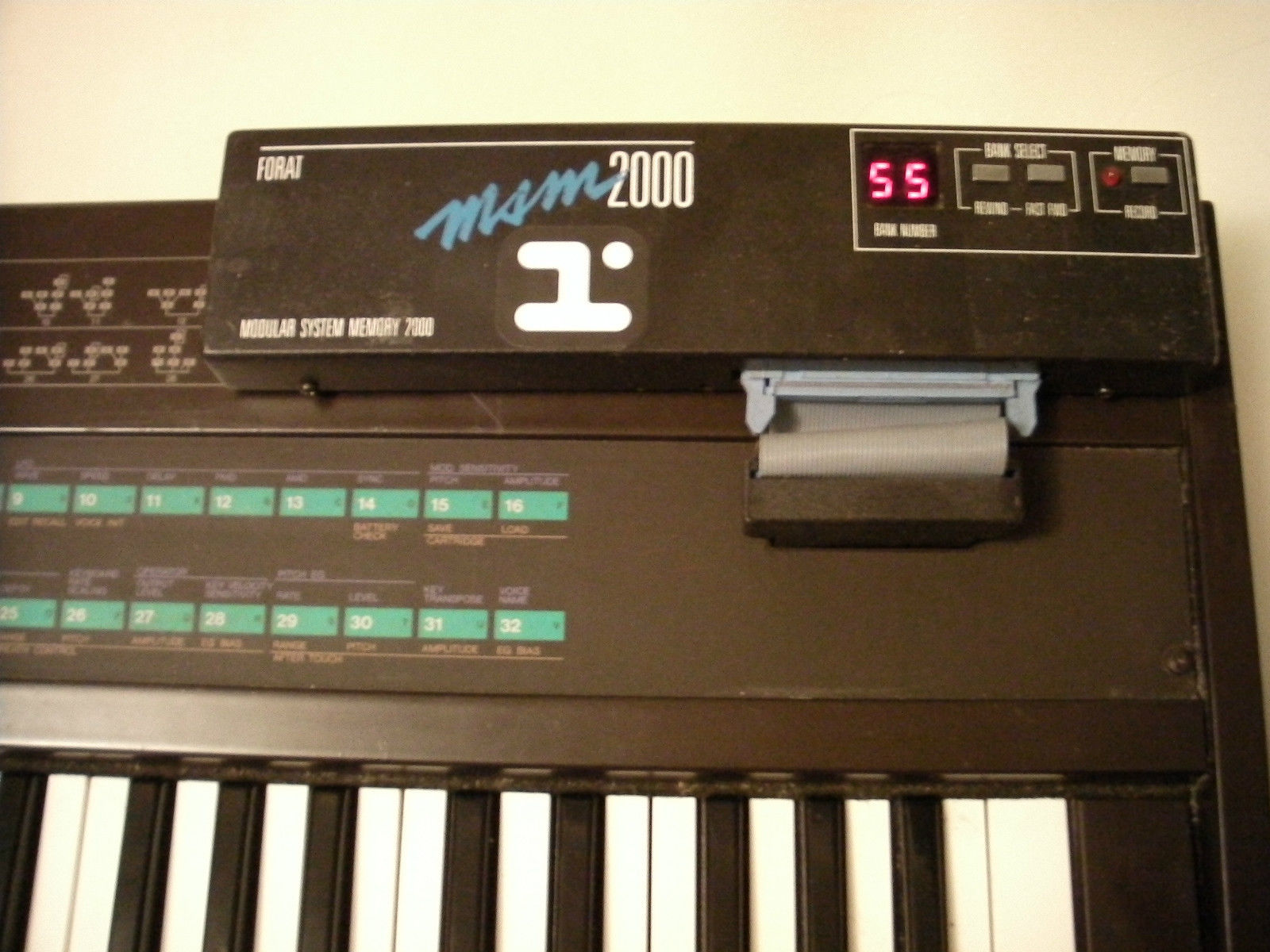
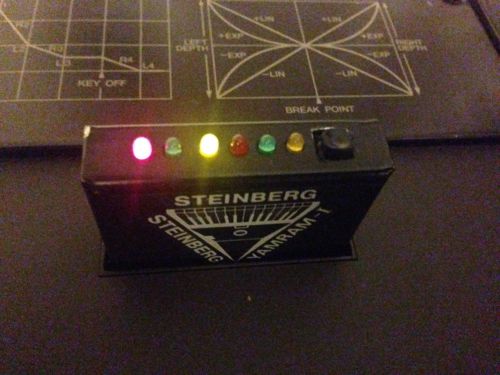
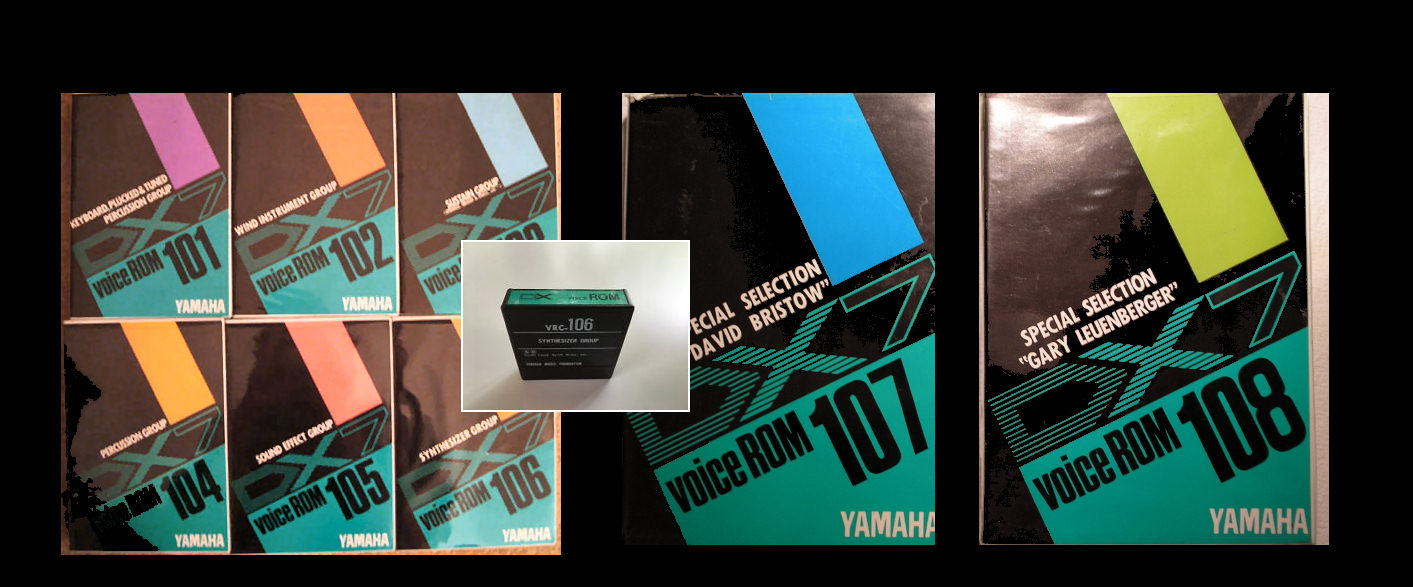
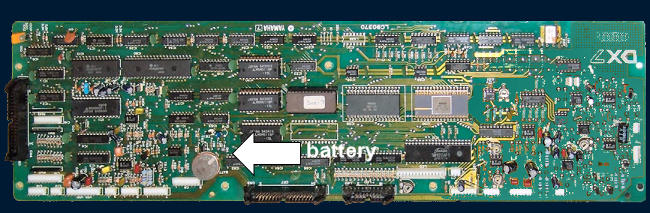
doubled if a cartridge mode RAM1 is present, also many third part cartridge for more banks including EMW DX70, Interlock TurboDX1, FORAT MAM 2000, Steinberg Monsterram, Yamaha Sound collection voice. The backup memory works with a CR-2032 lithium battery soldered to the mainboard - be aware that there is no ROM factory recall, so it is necessary to use Midi exclusives data for this job.
HOW TO REPLACE DX7 BATTERY |
 EDIT the DX is not famous for easy edit functions, some computer-based editors can help:
- Atari ST: Dx-android, Dx expert or caged ST
- PC: Soundiver, Midiquest, DX-manager, Synlib, CTRLR,
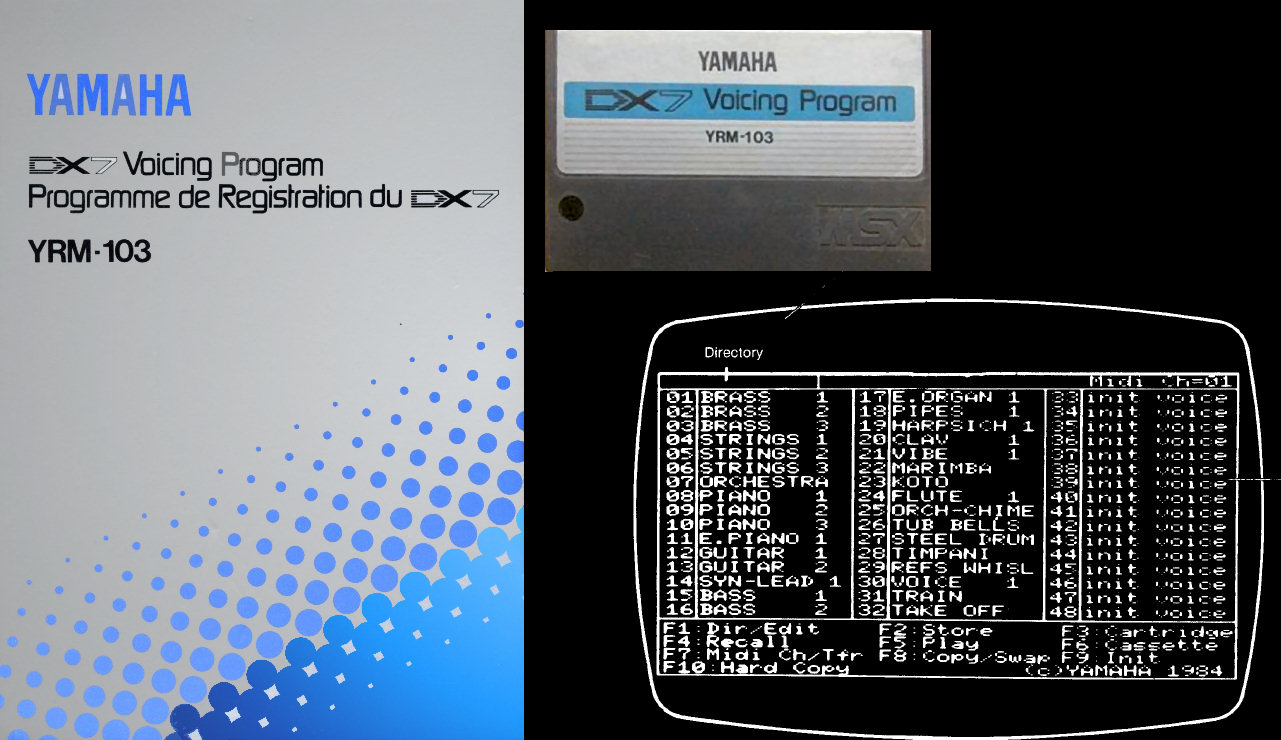
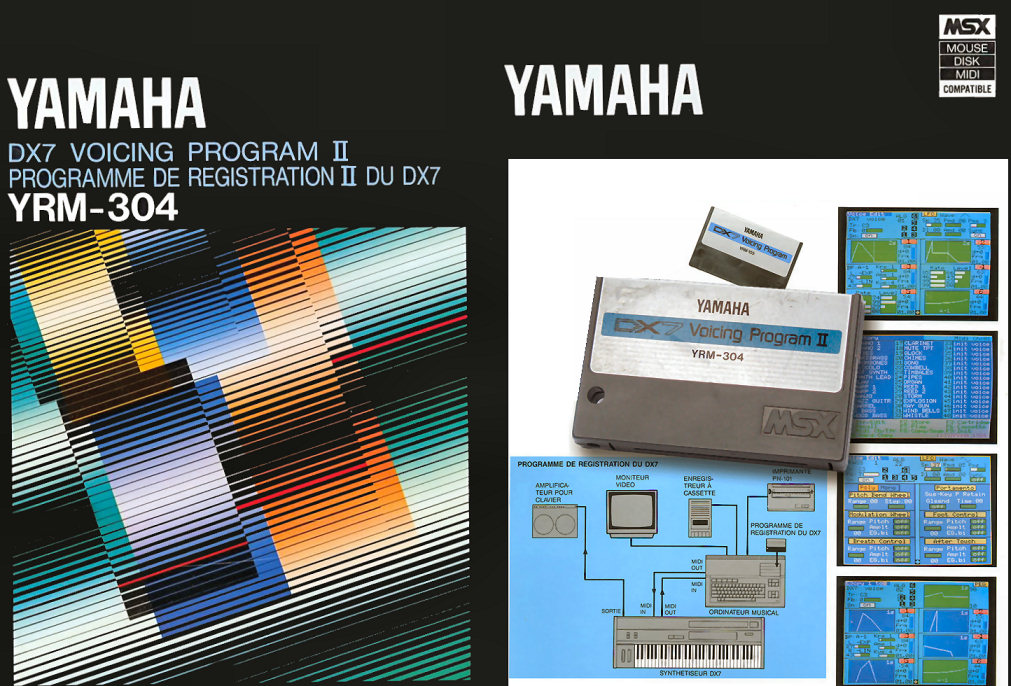
- MSX: YRM 103-102 cartridge Voicing program also YRM304
- IOS: Yamaha DX7 /TX7 / TX816 Editor
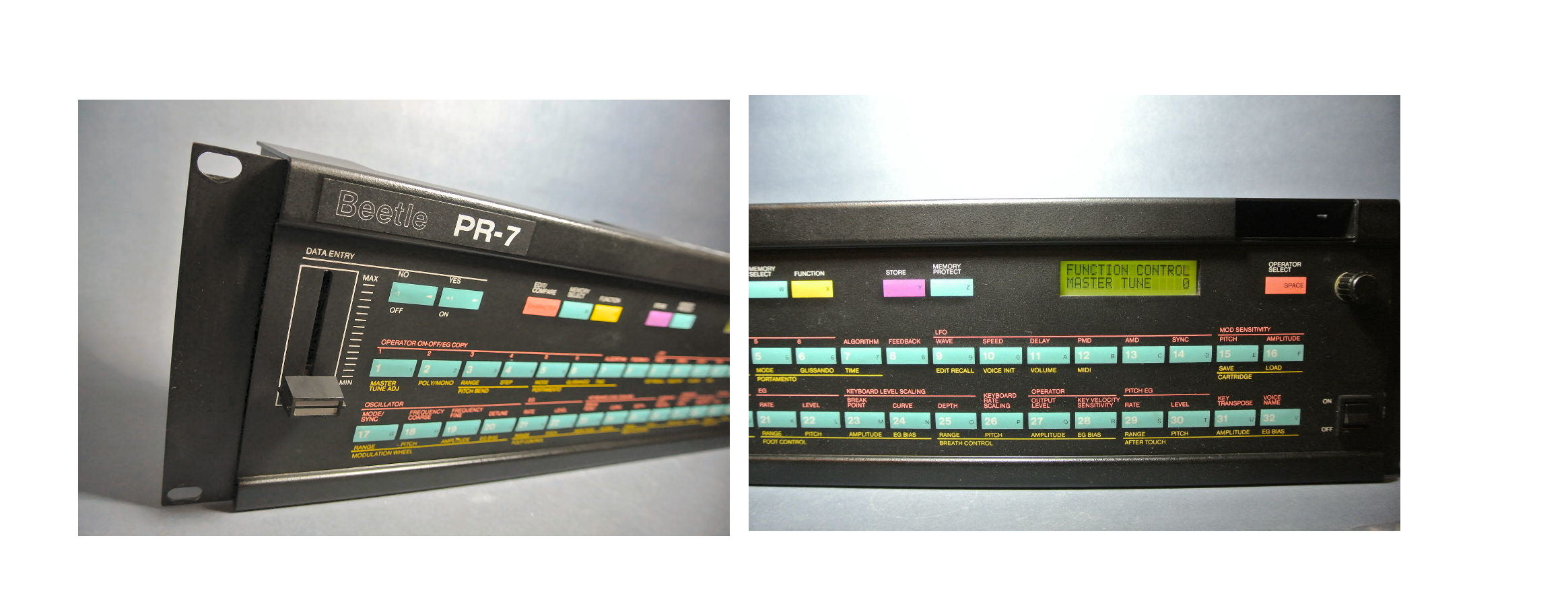
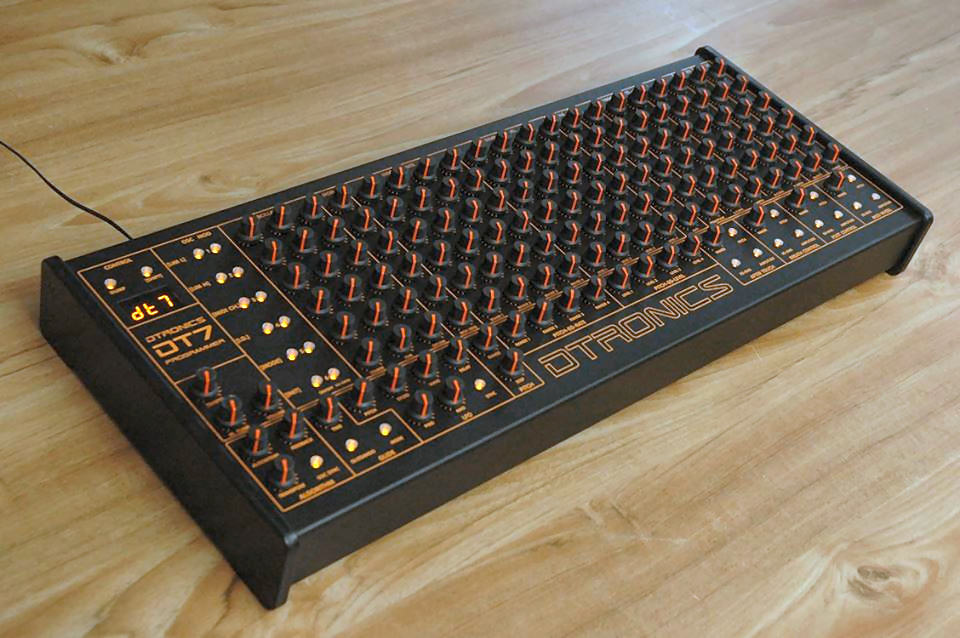
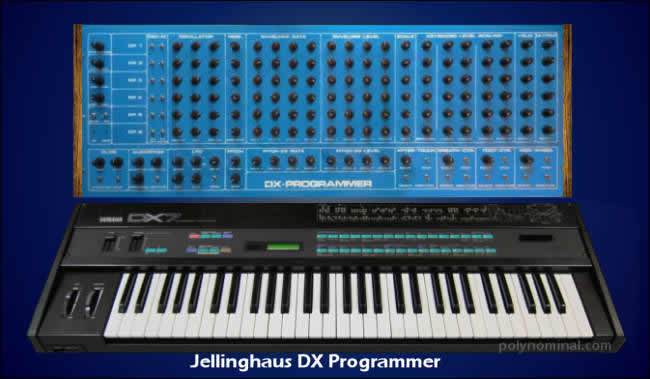
- Hardware: if you are lucky enough, you can try the mega-rare Jellinghaus DX Programmer (pic below) Beetle PR7 o modern new DTRONICS DT-7 dedicated controller
 OP6 DX FAMILY
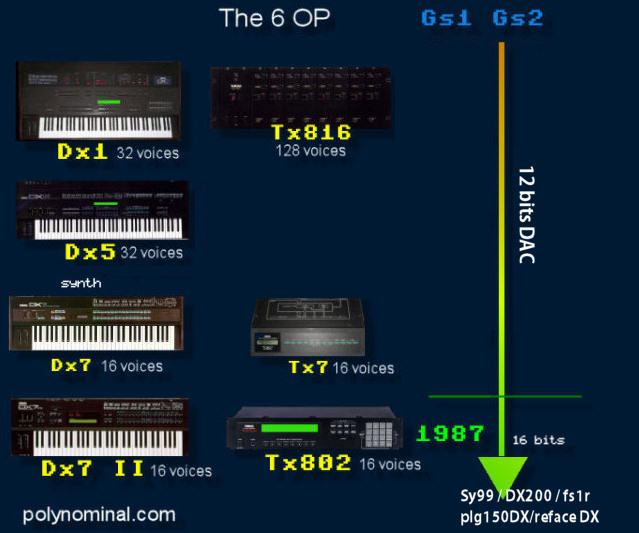
TX802 - Tx816 - Tx7 - Sy99 - DX200 - DX5 -
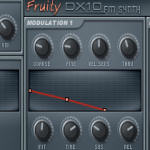
 VST PLUGIN / SAMPLED VERSION there are some free and commercial samples set:
 AUDIO DEMO


 Country: Japan
 : 250€


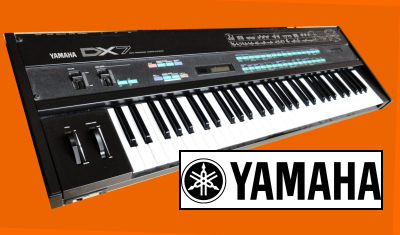
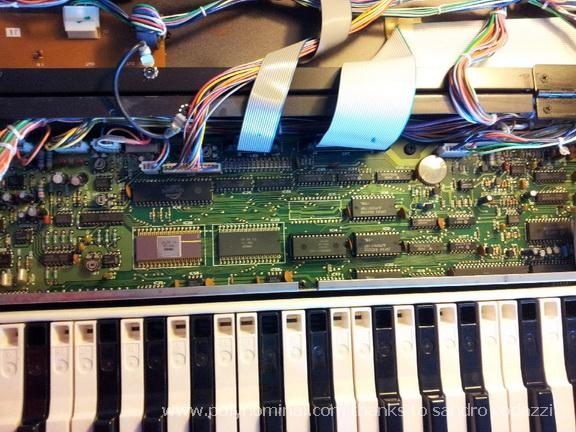
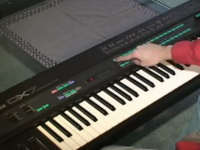
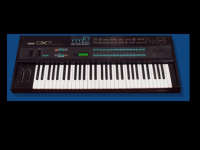
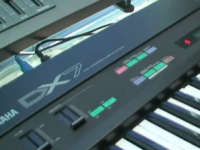
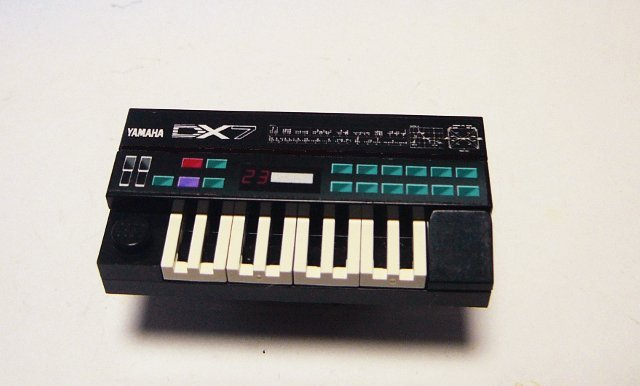
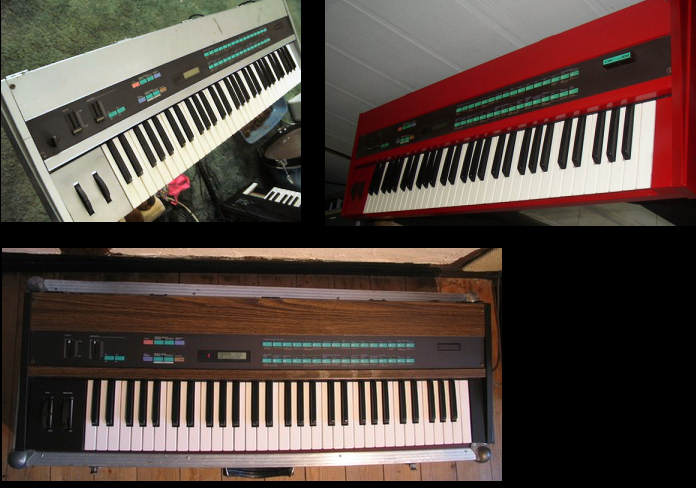
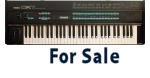
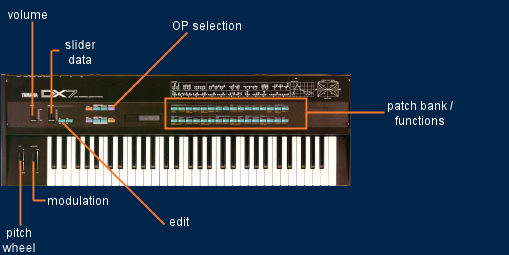
 KEYBOARD 61 keys with velocity and aftertouch. The main panel features a 16 X 2 lines display (not backlit but can be modded) 42 buttons, 2 sliders for volume and data entry.
 GREY MATTER
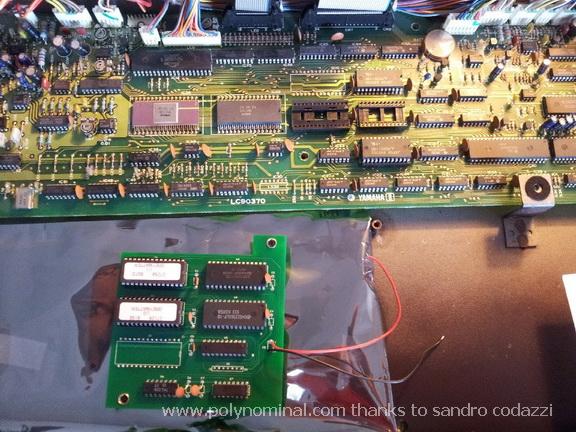
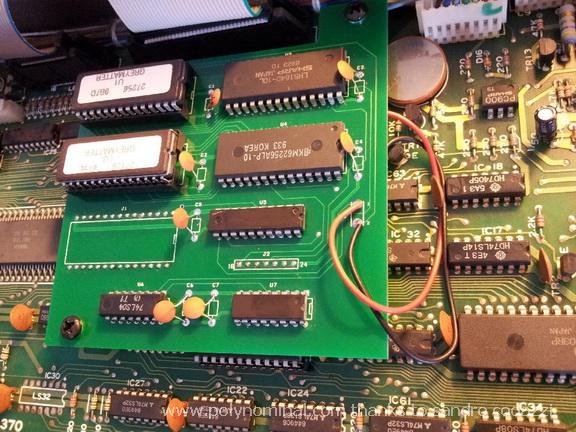
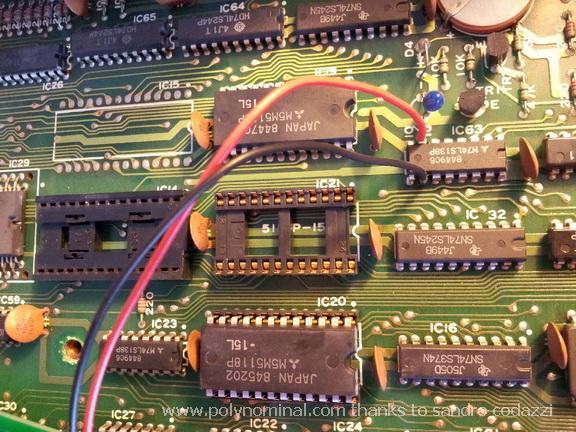
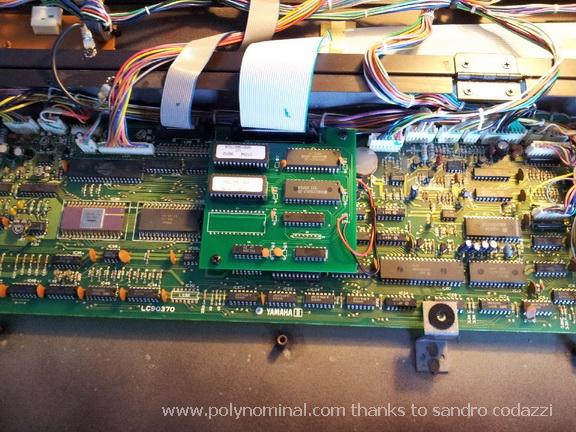
E! BOARD EXPANSION This special board can be fitted to upgrade to machine to new functions and features:
GREY MATTER
E! BOARD EXPANSION This special board can be fitted to upgrade to machine to new functions and features: