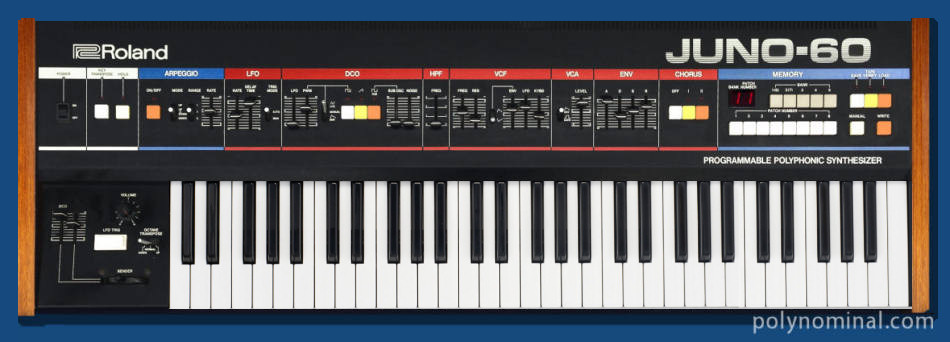
Roland Juno-60
 Country: Japan Country: Japan
Weight: 12 Kg
Dimensions: 1060 x 378 x 113 mm |
 : 1000€ : 1000€ |
|
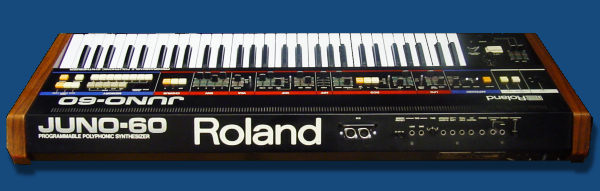
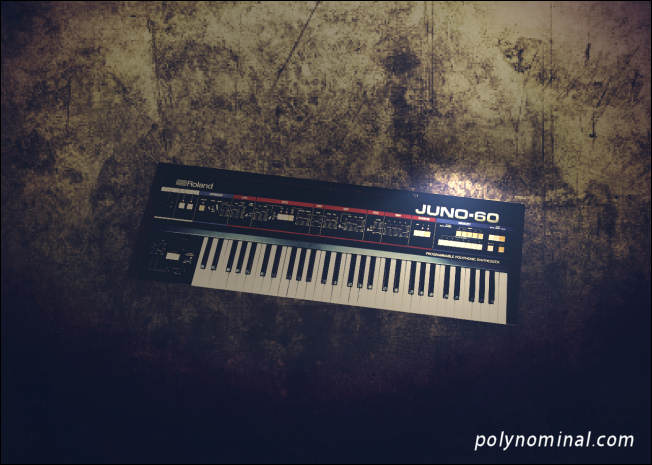
ROLAND JUNO-60 (1982)
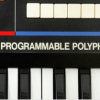
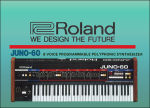
Programmable Polyphonic Synthesizer
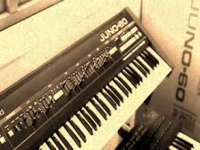
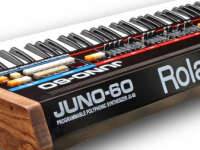
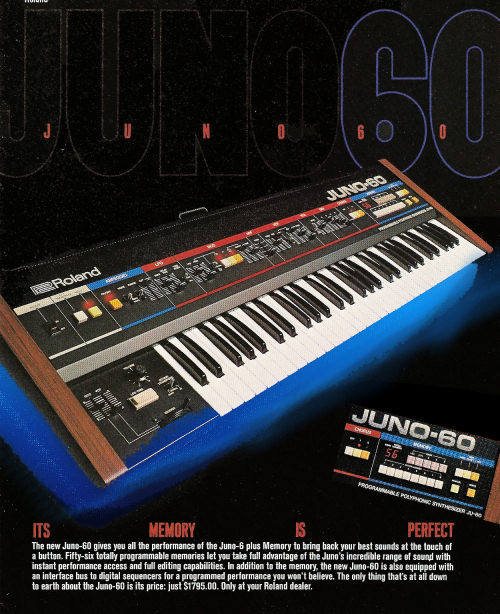
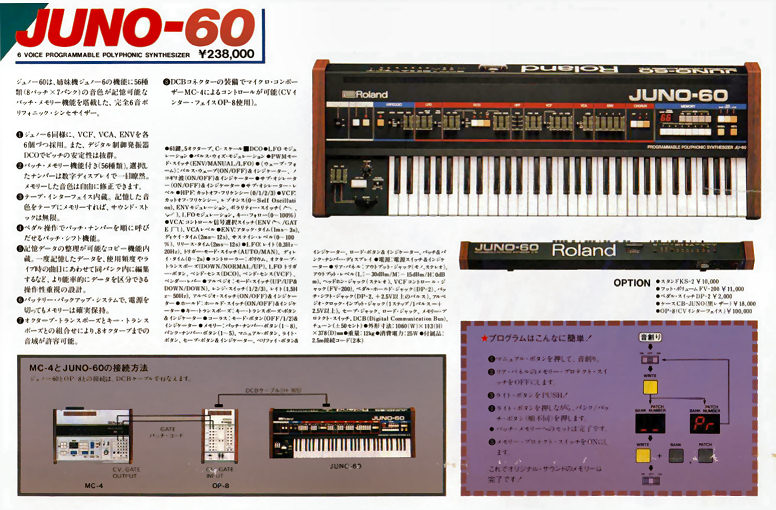
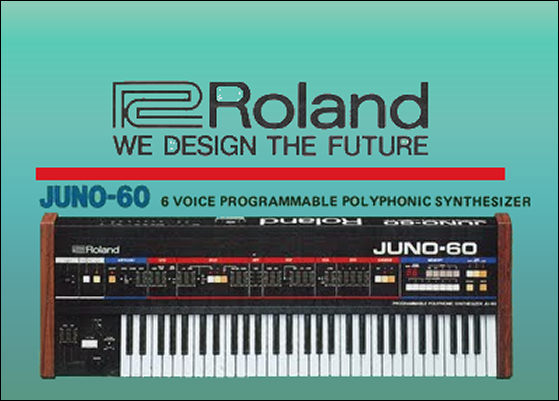
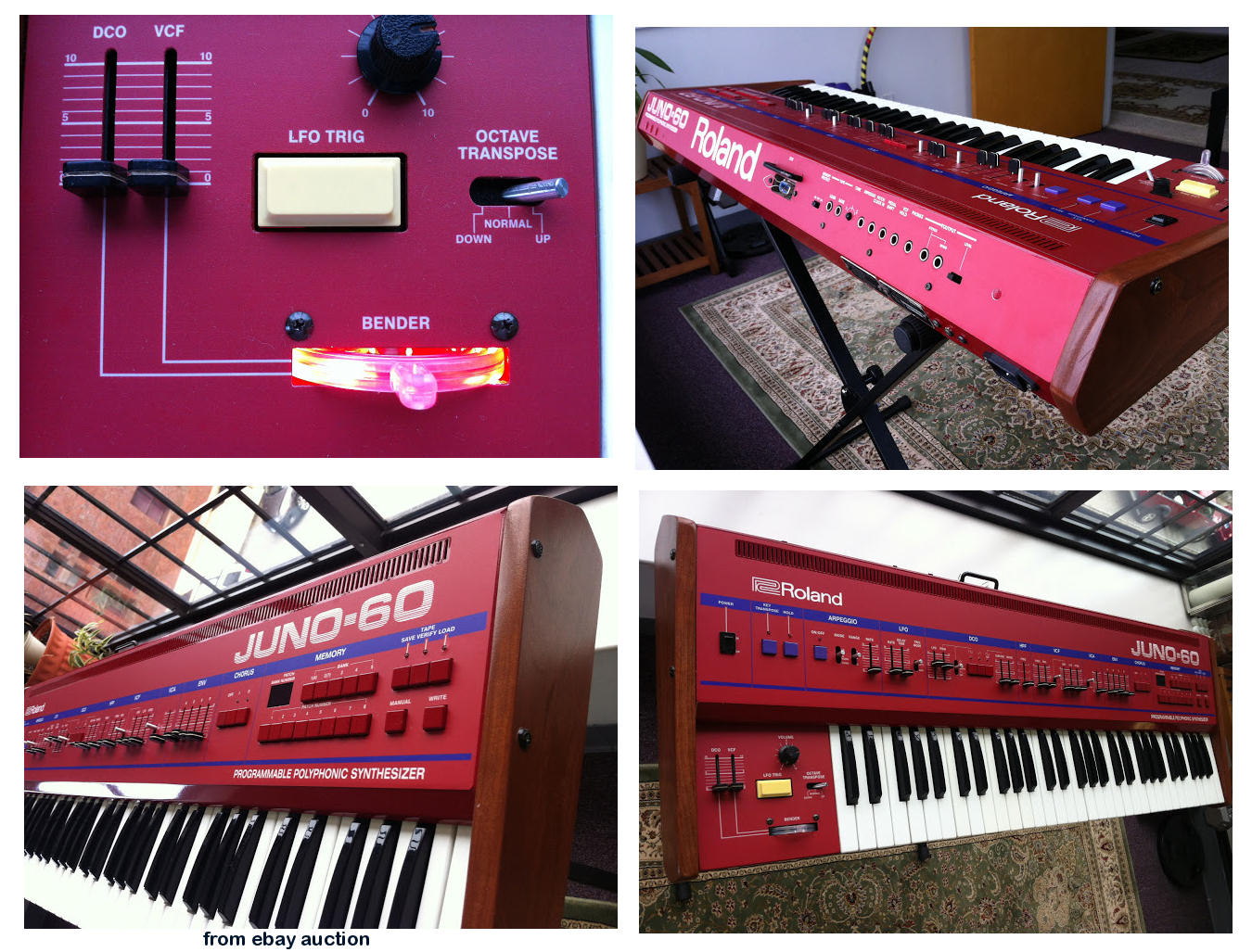
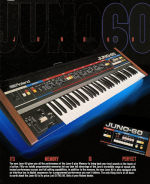
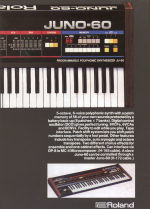
Cult analog polyphonic synthesizer from the beginning of the eighties. Juno 60 is a revamp from the previous Roland Juno-6 with new functions and patch memories.
|
 |
 |
 KEYBOARD 61 keys with no velocity.
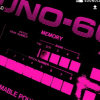
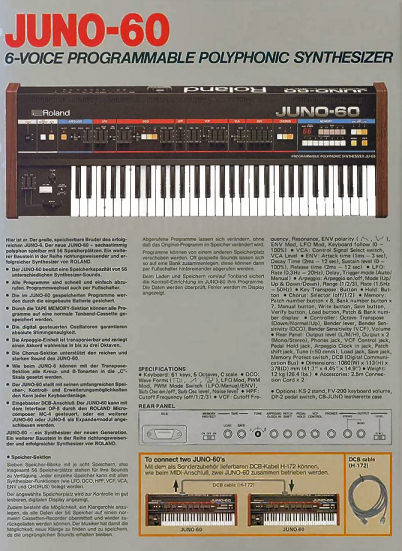
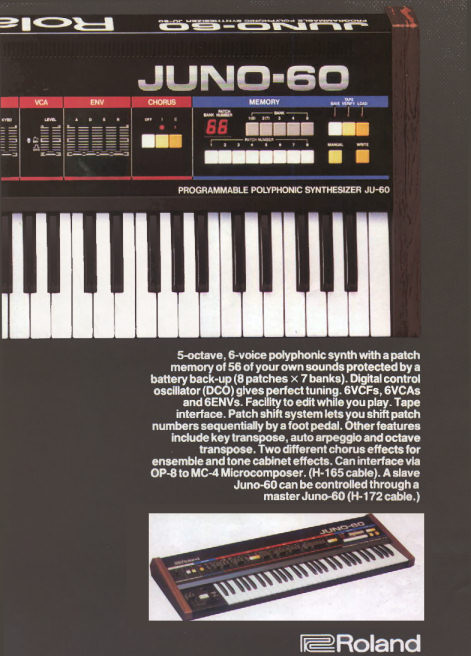
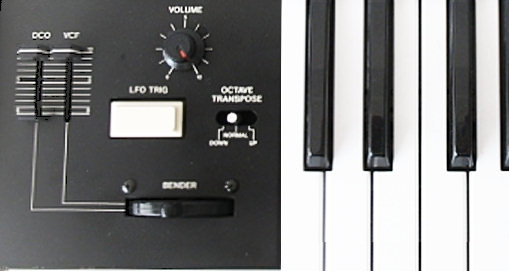
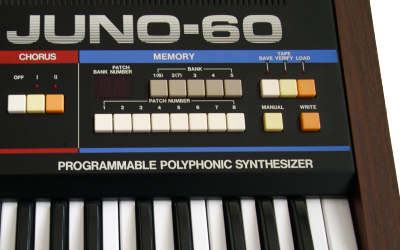
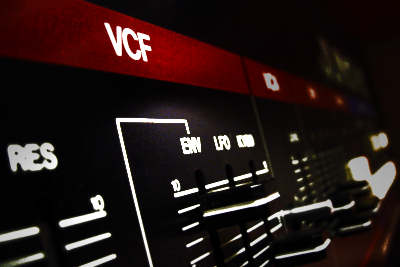
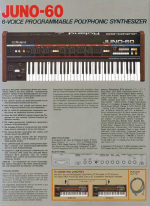
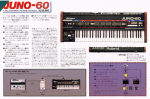
The main panel features a 7-segments display, 27 push buttons, 21 sliders and 6 position switches; on the left side there is a bender for both pitch and modulation. KEYBOARD 61 keys with no velocity.
The main panel features a 7-segments display, 27 push buttons, 21 sliders and 6 position switches; on the left side there is a bender for both pitch and modulation.
Back panel terminal connectors:
-
stereo out (3 impedance levels)
-
headphones out
-
cutoff CV control
-
clock input for arpeggio sync
-
tape interface
-
program change pedaswitch input
-
hold pedalswitch input
-
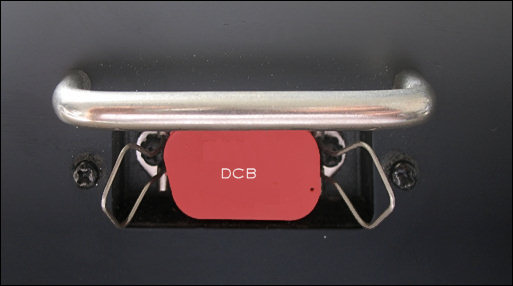
DCB interface control.
|
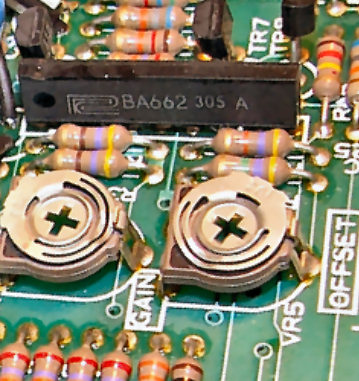
 VOICE the main core CPU NEC D8049C manages 6 voices polyphony, subtractive synthesis engine mainly based on VCA BA662 - same found on Jupiter 8 or JX-3P + filter IR3109 and MN BBD chorus effect circuit. Each voice is composed by a DCO digitally controlled oscillator with 4 summable waveforms: VOICE the main core CPU NEC D8049C manages 6 voices polyphony, subtractive synthesis engine mainly based on VCA BA662 - same found on Jupiter 8 or JX-3P + filter IR3109 and MN BBD chorus effect circuit. Each voice is composed by a DCO digitally controlled oscillator with 4 summable waveforms:
-
square variable width (no mix level)
-
triangle (no mix level)
- square sub-oscillator
-
white noise.
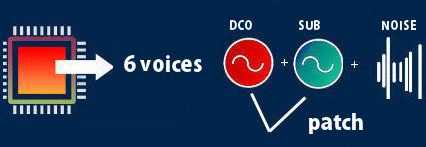

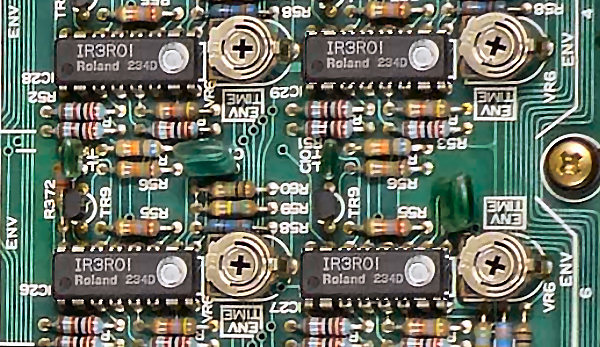
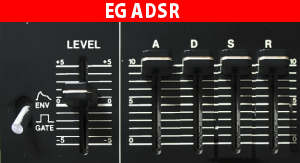
 ENVELOPE there is one 4-segments EG based on 6X IR3R01 for both VCA and VCF ENVELOPE there is one 4-segments EG based on 6X IR3R01 for both VCA and VCF
Note: VCA EG can be triggered in gate mode following the key pressure.
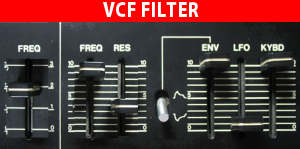
 FILTER multimode analog filter: FILTER multimode analog filter:
1-
LPF resonant at 4 poles
2-
HPF fixed to 4 values from 0 to 100%.
TECH: filter cutoff can be driven by an external CV control voltage tension.
 LFO a single delayed triangular modulator and 2 destinations: LFO a single delayed triangular modulator and 2 destinations:
-
DCO pitch
-
VCF cutoff.
Modulation can be set to automatic mode or triggered pushing the LFO TRIGGER button and frequency range from 0 to 20 Hz.
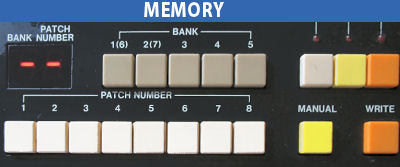
 MEMORY : MEMORY :
-
56 RAM patches
RAM system works with a
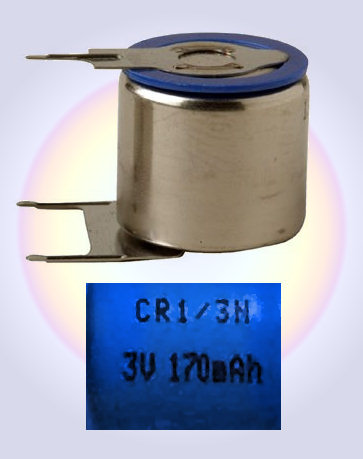
soldered 3V battery type CR-1/3N so battery replacement can be a bit hard. Created sounds must be saved to magnetic tape interface.
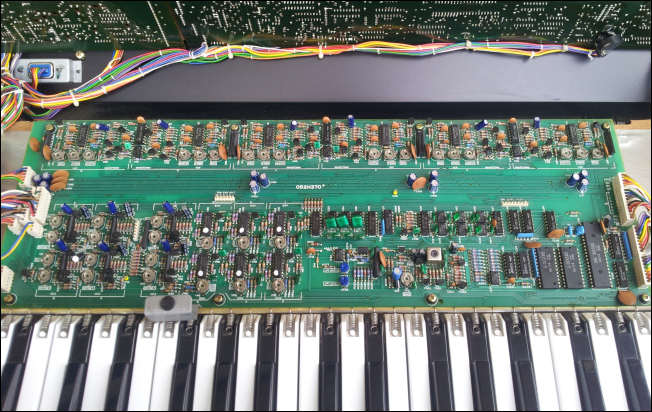
Repair and overhaul time - Thanks to S.Codazzi for this pic!
 RELATED FAMILY: RELATED FAMILY:
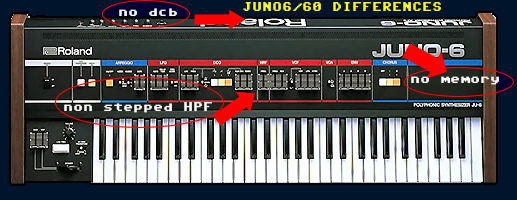 |
Juno-6 is quite the same with no memory, lacks DCB.
The HPF slider is full and non-stepped |
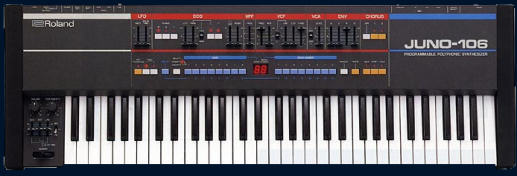 |
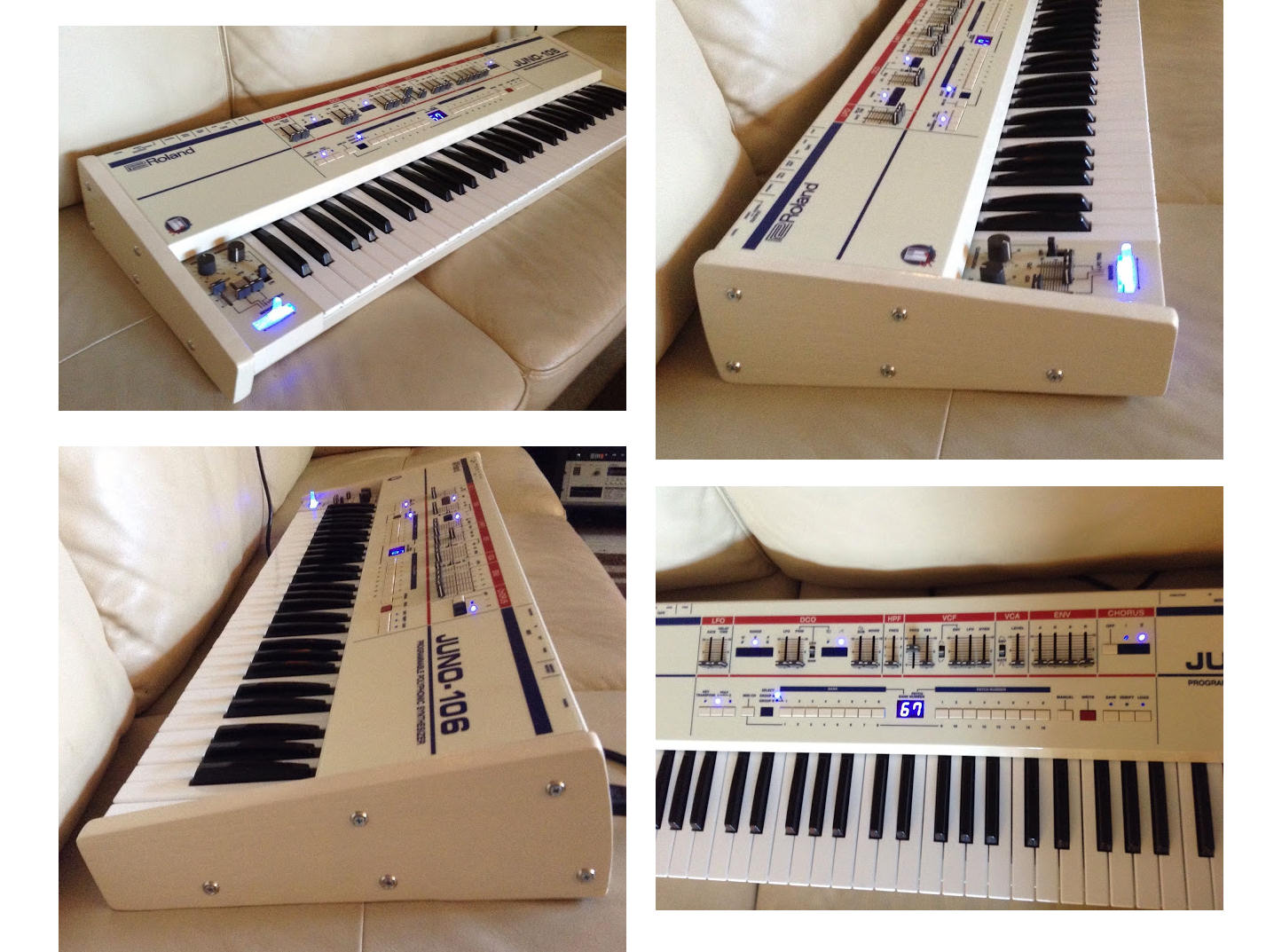
Juno-106 successive model with Midi factory and similar architecture.
Juno106 vs Juno60 |
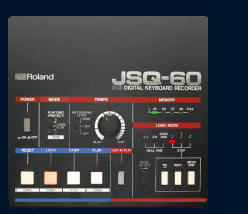 |
Jsq-60- old school sequencer VIDEO
|
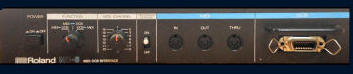 |
Md-8 DCB interface for Midi control
VIDEO |
 AUDIO DEMO AUDIO DEMO
 VST PLUGIN / SAMPLED VERSION there are some free and commercial samples set: VST PLUGIN / SAMPLED VERSION there are some free and commercial samples set:
| |
name |
price |
link |
demo |
 |
TAL U-NO-62 |
free VST
|
 |
 |
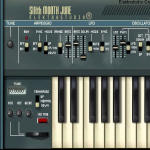 |
Sixth month june |
Free VST |
|
|
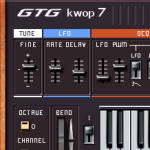 |
kwop7 |
free VST |
|
|
 |
TAL-U-NO-LX |
$$$ VST |
|
|
 |
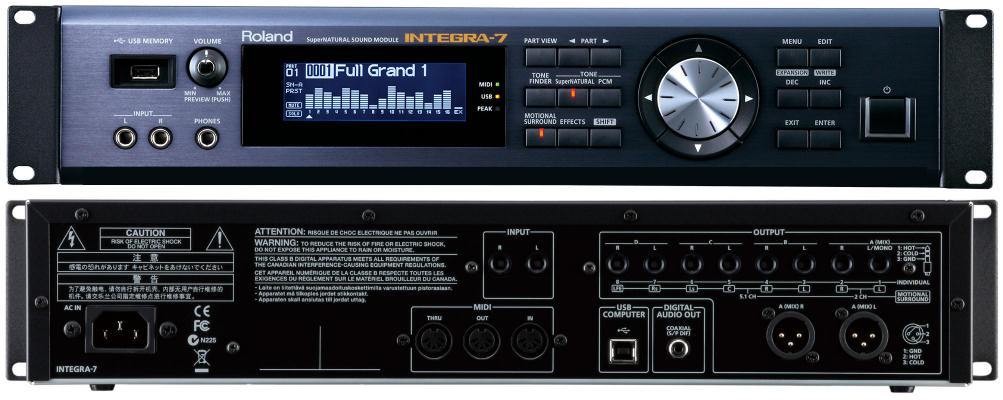
INTEGRA-7 Synth Legends Pure. |
Free patches for ROLAND INTEGRA MODULE |
|
|
 Soundcloud Roland Juno-60 Soundcloud Roland Juno-60
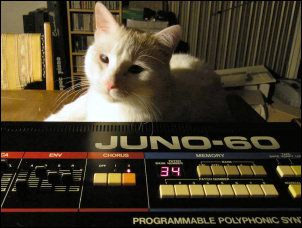
the lovely Tesla... |
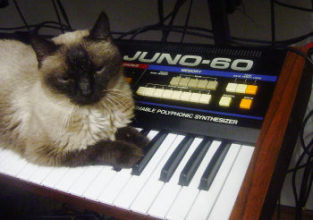
...and Mimì! lush cats!
|
|

How to access test mode
turn on the synth with the KEY-TRANSPOSE pressed, then select one of the 3 test modes with the arpeggiator switch position: UP for unison, UP-DOWN rotate voice at each note and in DOWN mode the voice count restarts always from voice 1 if available |
geek test
-->106 vs 60<--
|

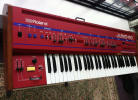
by customsynk Uk
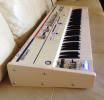
by customsynk Uk
|
|

- a classic
- lush
-reliable
-arpeggiator
|

-1 OSC
- limited sound routing
|

|
REVIEW "Overall sound is quite classic: all that sonorities from many hits including lush strings, pads, ringing brasses!
Some little weaknesses: do not expect too much complex patches since the signal path is limited.
Underestimated for years, they are getting every day more expensive." |
|
all snapshots*, sounds, texts copyright Polynominal.com /
*merchandising pictures from ebay auctions, custom models from ebay auction.
roland juno60 4.5 out of 5 based on 50 ratings.
price €300